
 Se trata del cráneo fósil de un homínido encontrado en 1999 por Justus E. Edung, del equipo de Meave G. Leakey, al oeste del Lago Turkana. A pesar de su gran antigüedad, datada en 3,2-3,5 millones de años, tiene muchas características modernas, por lo que se propuso como una nueva especie Kenyanthropus platyops (su nombre significa “hombre de cara plana de Kenia”). Fue codificado como KNM-WT-40000.
Aparte del holotipo, el cráneo referido, hay muy pocos fósiles asignados a Kenyanthropus: básicamente algunos dientes y fragmentos de maxilares y mandíbulas. El cráneo además estaba muy fragmentado y presenta una gran distorsión. Por ello, su publicación en 2001 y propuesta como especie distinta reabrió el debate sobre las relaciones filogenéticas entre los homínidos de hace 3 Ma. Sigue leyendo
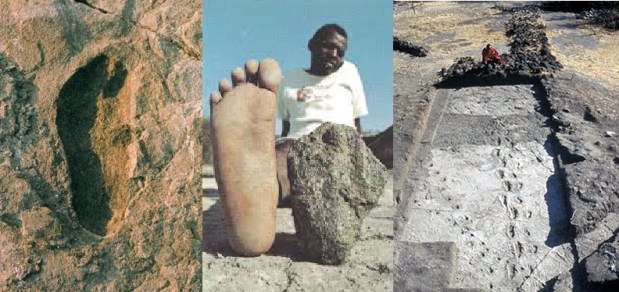
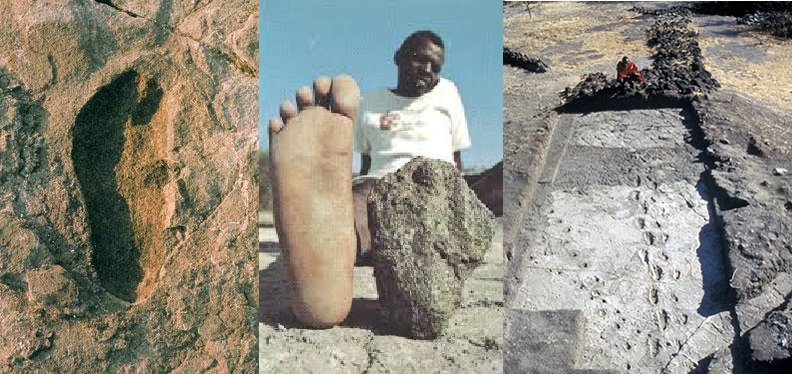
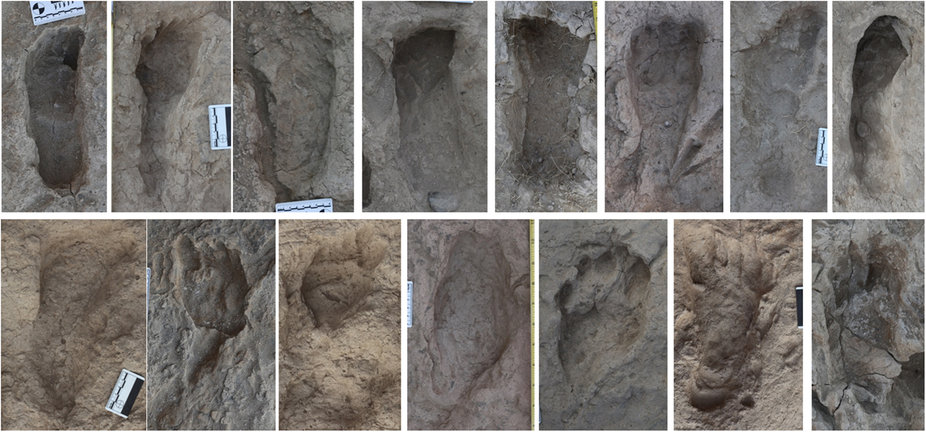

 The symposium »The African Human Fossil Record» in 2014 took place on 26-27 of September at Toulouse, France. This post summarizes a selection of topics presented in this meeting, in alphabetical order per author. By the way… look at the event logo on the right, really nice!
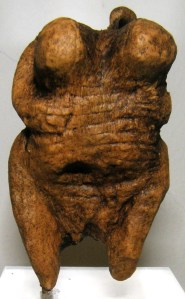 ut a mammoth-ivory figurine found in 2008 in the basal Aurignacian deposit at Hohle Fels Cave, Germany. It was made between 35-40,000 years BP. It is the oldest portable art piece found in Europe and one of the oldest artworks in general. Below are some hypotheses around the meaning of this piece (some of them are in turn applicable to most Paleolithic Venus!):
 Nutcracker Man