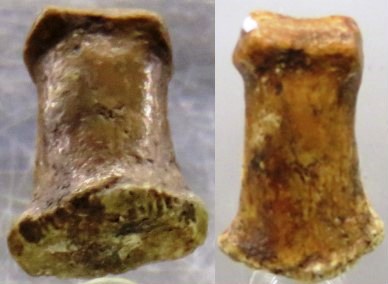
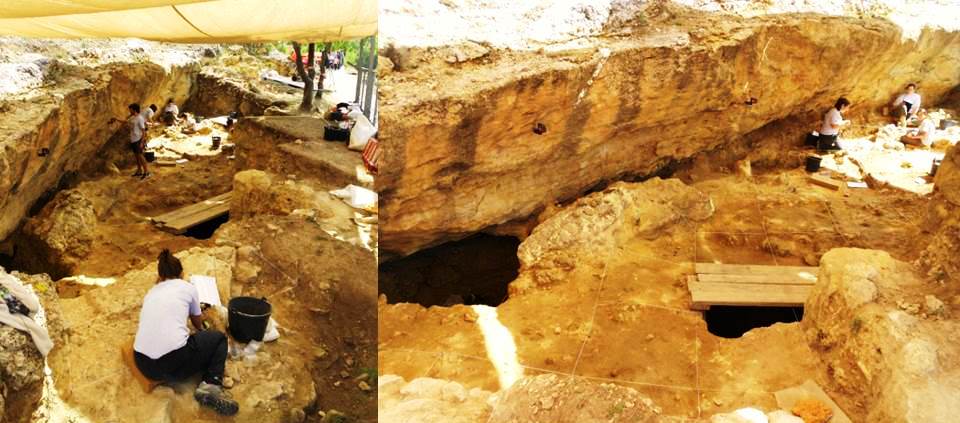
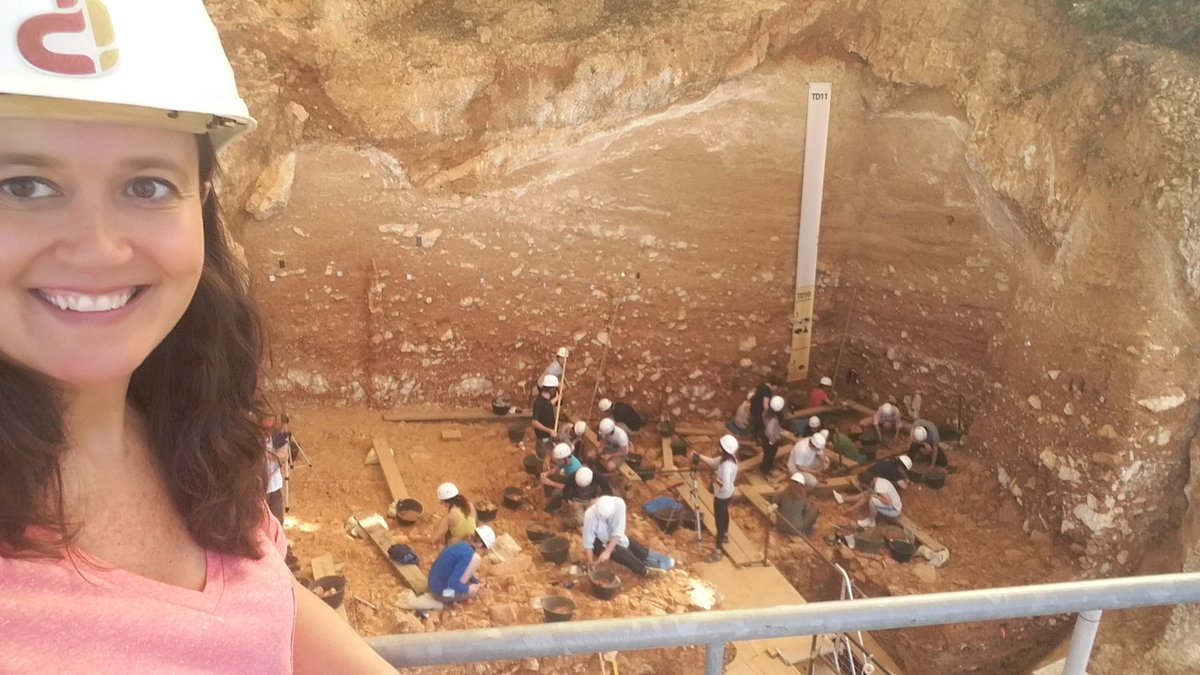
Sima de las Palomas del Cabezo Gordo is a vertical cave in Murcia (southeastern Spain), that is one of the most remarkable neandertal sites in Western Europe. Since 1991 it has yielded remains from at least 9 neandertal individuals, including 3 nearly complete articulated skeletons, among many other objects that also help to explain the ecology of the human populations in the area at least 50,000 years ago. The 2016 campaign is important as new fossils have been found at the deepest layers dated to 65-90 Ka.
The 3 skeletons
Between 2005-2009 three undisturbed neandertal skeletons with several parts in anatomical position were recovered:
- An adult woman (SP96) and a child beneath her (SP97), both with the knees flexed and the elbows and hands raised up beside the face.
- Another adult individual (SP92) with an extended elbow was beneath the child.
- The 3 skeletons are dated to 50 Ka by U-series.
- Many large stones and flakes were located over the skeletons. They might have been thrown to deter leopards and hyenas from disturbing the corpses.
- The skeletons were lying in a cemented rock tumble, together with some burnt articulated horse ankle bones, 9 Mousterian tools, 12 flakes and 100 fragments of knapping waste.
- Most of the human bones do not show any cut marks nor burnt residues.
- However, the woman was deposited over a layer where a large fire was made before.
- Near the child, two articulated leopard paws were found.
There could be an intentional arrangement of the bodies before rigor mortis, although there is no burial pit or other clear-cut signs.
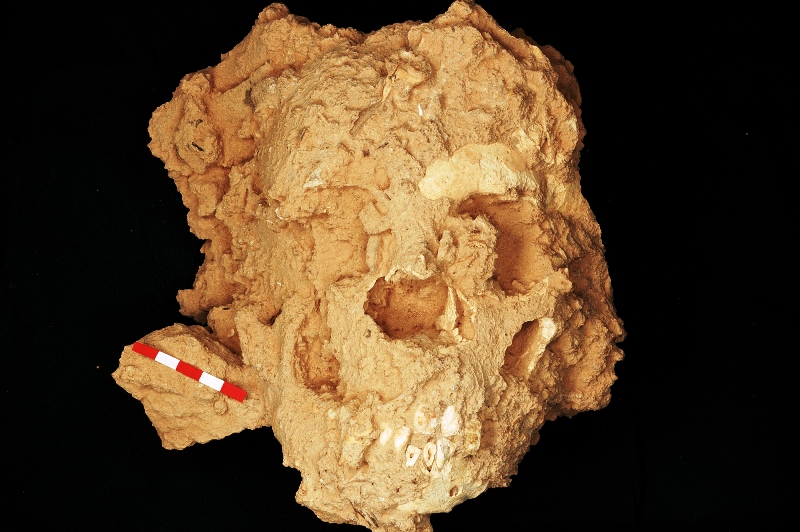
Sima de las Palomas. Neandertal child SP97. Laboratory removal of adherent breccia with vibroscalpels continues. CAT scan of SP97 cranium revealed some hidden hand bone fragments close to the forehead. Photo credit: MUPANTQUAT