The ‘Lomekwian’ technology?

Lately we have read much about the shocking study of 150 stone tools in Lomekwi, Kenya, close to Lake Turkana, dated to 3.3 mya: the oldest-known tools. They include flakes, cores, hammers and anvils. In fact they were found in 2011 and we already started to hear about them several weeks ago, but last week the news was widely spread. This discovery has a curious background with several controversials, which may help understand its potential importance:

  • 1) Dikika, Lower Awash (Ethiopia). In 2000 the famous Lucy’s baby specimen was found there. She was a 3-year old Australopithecus afarensis dated to 3.3 Ma. Her oficial name is ‘Selam’ which means peace. New excavations on that site in 2010 reported cut, linear marks on animal bones dated to 3.4 Ma. BUT no actual tools were found, so there were various opinions against the human action by-purpose, instead the cut marks might have been the result of trampling by humans or other animals. So, the idea of 3.4 Ma tools was more or less set aside. NOW this idea is ‘strongly’ reconsidered.
  • 2) Lomekwi (Kenya). In 1998 an interesting hominid specimen was found quite close (1 km away) to the site of the -now- famous tools. This was Kenyanthropus platyops, in theory different from Au. afarensis because of the smaller first molars, the flat lower face (however it is very distorted, so this may not be the actual morphology), and the small ear openings (similar to chimps and Au. anamensis). BUT no more relevant teeth were found (e.g. canines) nor post-cranial skeleton parts. NOW this hominid has regained much prominence because he could have been the author of the tools (same age, same location as the tools). Some argues that the stone tools may be more associated to Au. afarensis – but actually there is a parallel point to determine: if K. platyops could be just another population of australopitecines, given the enormous variation we really know about these.
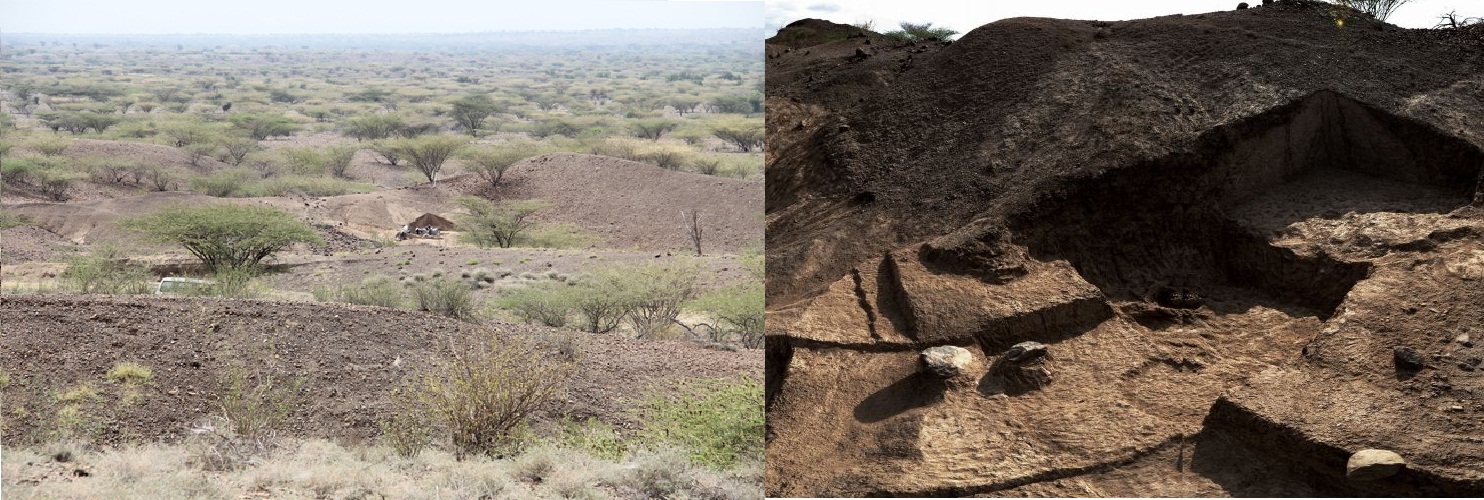
lomekwi-zoom

Lomekwi-3 site (I) and zoom to the excavation (R) – yes, what you see are some of the famous stones!

Focusing on the tools themselves, there is no doubt that they reflect a sophisticated understanding 3.3 million years ago of how rocks break, as well as some fine motor skills to break them effectively. Previously the oldest-known evidences of stone tools were from 2.6 mya (zebra bones with tool cuts in Gona, Ethiopia) and then different sets of tools 2.35 mya in Omo and Hadar (Ethiopia) and 2.3 mya in Lokalalei (Kenya). Finding a human technology 700,000 years older, in this ancient time range, is really amazing! What also shocks me is the proposal to define a new technology based on these findings. They researches call it ‘Lomekwian’ obviously referring to their location, in contrast to the Oldowan technology (Mode 1). The rationale is basically based on 3 points:

  1. They are larger and heavier than Olduwan.
  2. They are apparently made by hitting against a passive hammer (like chimps do today to crack nuts), rather than holding the core with the hand like in Oldowan technique.
  3. The flakes extracted show more errors or ‘accidents’ than in Oldowan technique.
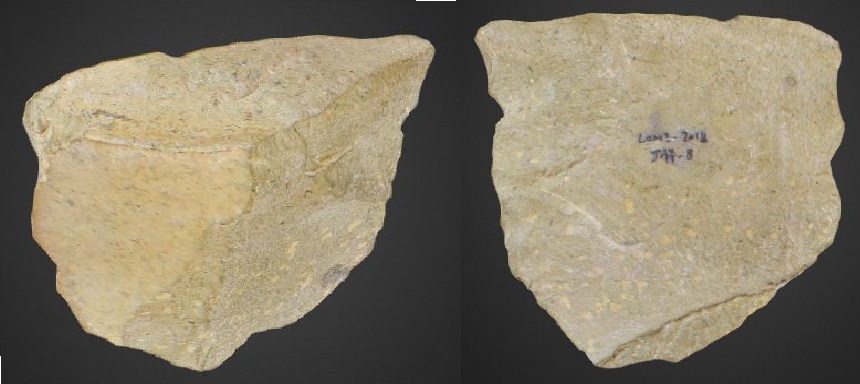
flake

Flake LOM3 2012 J17 3 – my favorite (Photo: africanfossils.org)

In the next years we will be fortunate to live a ‘reboot’ of the paleoanthropology studies of 3 million years ago. Very quickly, we have read about the new oldest candidates for the first Homo, and now about new oldest candidates for the first technology. The old equation Homo=Technology is probably destroyed: clearly, stone tools could have been invented by multiple lineages of early hominins. We already suspect that some bone points and piercers found in South Africa (Swartkrans and Kromdraai) could have been made by robust australopithecines 2 million years ago. Chimps today use hammers and anvils to break palm nuts…

chimps

Tools used by chimps: stone anvil, hammerstone with palm nuts, ant-dipping tool and spear (Photo: humanorigins.si.edu)

… Thefore, the development of ‘technology’ is not a milestone purely linked to the appearance of Homo. Probably the learning and social skills made early hominids to explore their technical abilities and to experiment with the resources around, like stones – for millions of years! Many experiments failed, but some of them succeeded and took part in the evolution processes -for some more hundreds of thousands of years- and so hominids learnt to produce stone flakes, cores, hammers and anvils.

Were the ‘Lomekwian’ tools one of those experiments, which maybe succeeded locally? Did it become a consistent, spread technology? For the moment, I think that it seems OK to call it ‘Lomekwian’, al least for identifying precisely those key findings. By the way, this is another basic criteria to use the controversial name ‘Kenyanthropus platyops’ for the remains I described above – that is, at least for identifying precisely what this is and where this comes from.
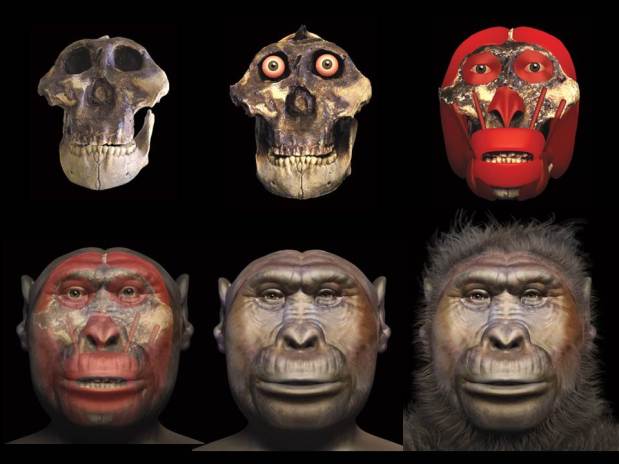
Dear Boy: todo sobre OH 5, Nutcracker Man

Dear Boy: todo sobre OH 5, Nutcracker Man

El fósil más famoso de los australopitecinos robustos y probablemente uno de los más icónicos del registro fósil es OH 5, apodado Dear Boy (Querido Chico), Zinj o Nutcracker Man (Hombre Cascanueces). Un ser extraordinario por su morfología craneal hiperrobusta. Aunque existe debate alrededor de su ubicación filogenética respecto a otras especies, la especialización de su cráneo y de su dentición hace que se le considere una rama paralela a la humana dentro de nuestro árbol evolutivo. Aquí va mi pequeño homenaje a la criatura que da nombre a este blog.

Breve historia del hallazgo

  • Entre 1930 y 1955 el matrimonio Louis y Mary Leakey excavan en la Garganta de Olduvai, Tanzania, y encuentran numerosos restos de fauna y más de 2000 herramientas de piedra (pero no los homininos que las fabricaron).
  • En 1958 en el yacimiento Frida Leakey Korongo (FLK) encuentran un molar y deciden concentrar esfuerzos excavando en la misma zona para encontrar al dueño del molar (Frida Leakey fue la primera esposa de Louis, y Korongo significa barranco en suajili).
  • 17 de julio de 1959. Louis se había quedado indispuesto en el campamento. Mary encuentra en el yacimiento un maxilar partido en dos y que conservaba varios dientes. Según se va recuperando cuidadosamente, aparecen varios fragmentos de cráneo… En las siguientes dos semanas extraen el cráneo casi completo que codifican OH 5 (Homínido de Olduvai 5). Le apodan Dear Boy, por la satisfacción que les produce haber encontrado allí por fin a un hominino, que pensaban además que era el fabricante de las herramientas. Aunque Don Johanson cuenta que la primera reacción de Louis no fue precisamente de alegría: «vaya, no es más que otro australopiteco robusto».
Zinjanthropus, Nutcracker Man

Los Leakey con el maxilar de Zinj. Foto: The Leakey Foundation

Sigue leyendo

Cada vez más emocionante

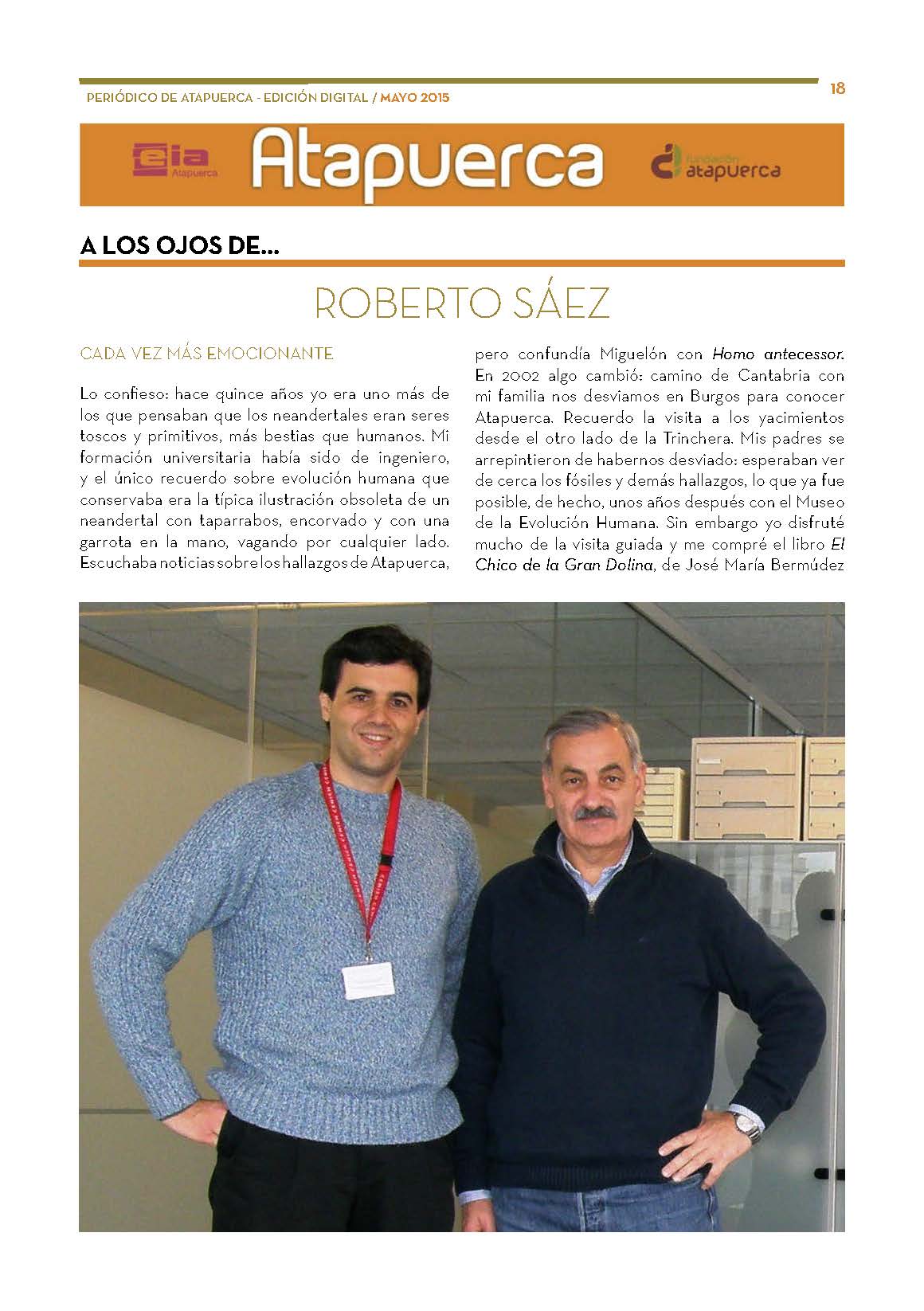
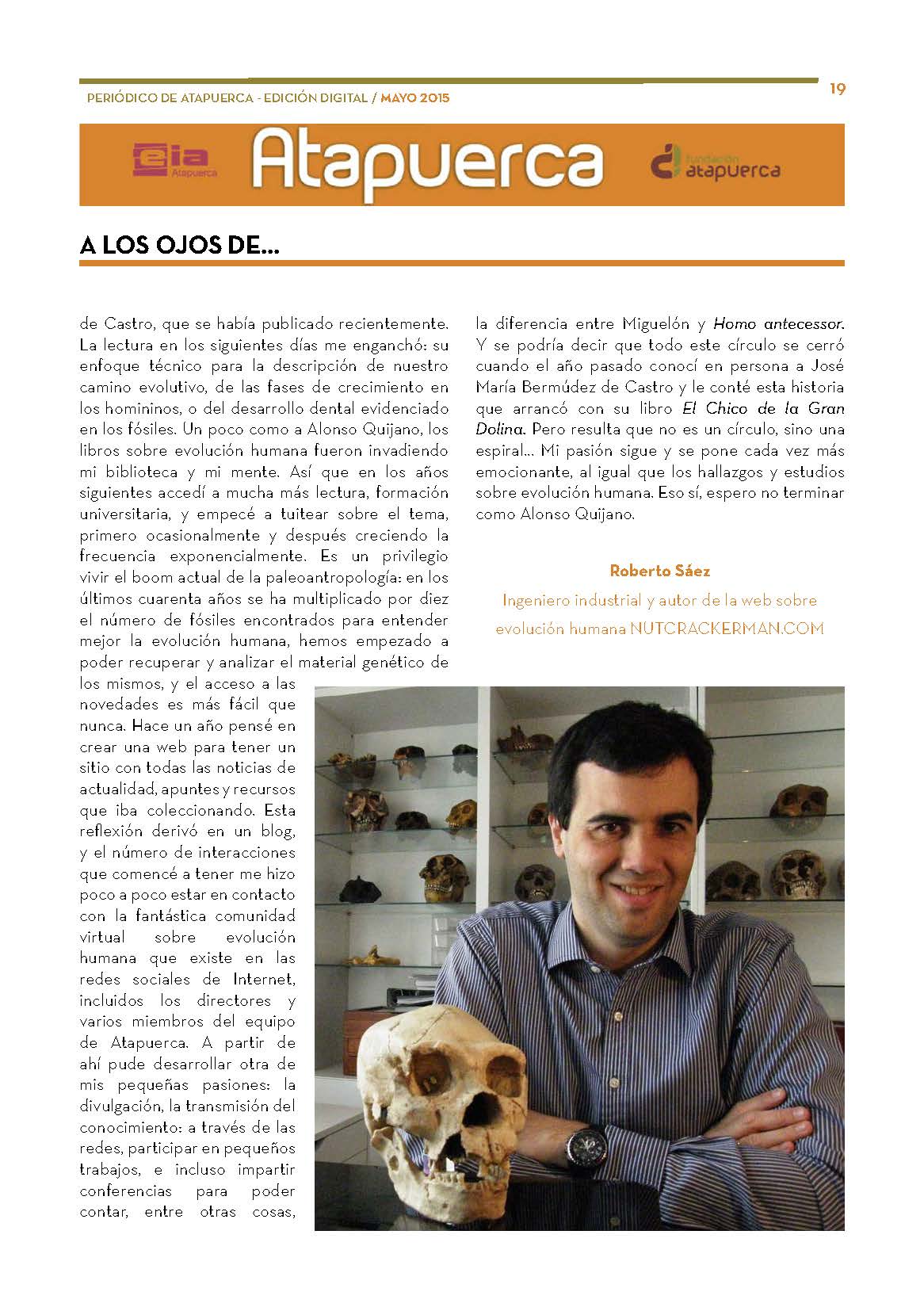
«Cada vez más emocionante» se titula mi artículo publicado en el Periódico de Atapuerca de mayo 2015. Muy personal, una muestra de esta pequeña pasión por la evolución humana.

Periodico de Atapuerca Mayo15 sección "A los ojos de", pág 18

Periodico de Atapuerca Mayo15 sección «A los ojos de», pág 18

Periodico de Atapuerca Mayo15 sección "A los ojos de", pág 19

Periodico de Atapuerca Mayo15 sección «A los ojos de», pág 19

Para ver el número completo del Periódico de Atapuerca: [enlace].

Today Nutcracker Man turns… 1 year-old!

Today 5/5/15 this blog celebrates its first year. As quick summary, I will not give boring details but just a brief list of what was the best of the year and what can be improved… (in my opinion)

I count on you all for this second year that starts today !!!

The best

Top 5 most read posts in English

  1. A summary of AAPA annual meeting 2015 (in 101 tweets!)
  2. The oldest human footprints by continent
  3. The 9 oldest artworks in Europe
  4. Meet Bodo and Herto
  5. Focus on the Sima de los Huesos

Top 5 most read posts in Spanish

  1. Desde cuándo los hombres son diestros y por qué
  2. Una caja de herramientas de 2 millones de años
  3. Bastones perforados: ejemplar de la cueva El Castillo
  4. ¿Qué nos falta por saber de Lucy?
  5. Las evidencias más antiguas de control del fuego

Achievements

  • 14th position in the 2014 Bitácoras Awards in the category of Science blogs [see Final ranking].
  • Top 5% most read presentations in SlideShare, thanks to the posts with embedded slides.

The worst 

The series of posts

I like them much as a concept, and I would like to write more series of posts, but I am not fully convinced yet… It is said that ‘sequels are never any good’. This first year I have posted 3 series:

News highlights

On September 2014 I started writing quarterly or monthly summaries of the latest news. Fortunately, the ‘boom’ of news in the field of human evolution is spectacular in the last times, but unfortunately… I could not keep up!

Two posts with few visits (but I like them much!)

– And finally a BIG THANK YOU to all who read me –

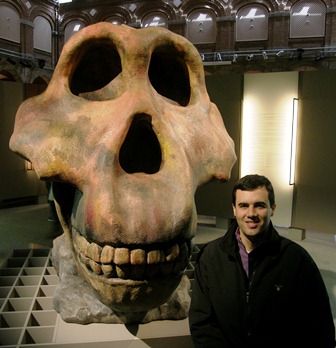
Nutcracker Man vs. Roberto Sáez

Nutcracker Man vs. Roberto Sáez

Hoy Nutcracker Man cumple… 1 año!

Hoy 5/5/15 este blog cumple su primer año de vida. Como nota resumen, no quiero aburrir con datos sino que he querido rescatar una breve lista de, en mi opinión, lo mejor del año y lo que ha sido mejorable…

¡Cuento con vosotros para este segundo año que comienza hoy!!!

Lo mejor

El top 5 de posts más leídos en español

  1. Desde cuándo los hombres son diestros y por qué
  2. Una caja de herramientas de 2 millones de años
  3. Bastones perforados: ejemplar de la cueva El Castillo
  4. ¿Qué nos falta por saber de Lucy?
  5. Las evidencias más antiguas de control del fuego

El top 5 de posts más leídos en inglés

  1. A summary of AAPA annual meeting 2015 (in 101 tweets!)
  2. The oldest human footprints by continent
  3. The 9 oldest artworks in Europe
  4. Meet Bodo and Herto
  5. Focus on the Sima de los Huesos

Logros

  • Puesto 14º en los Premios Bitácoras 2014 en la categoría blogs de Ciencia [ver Clasificación final].
  • Top 5% de presentaciones más visitadas en SlideShare, gracias a los posts con diapositivas embebidas.

Lo peor (o mejorable)

Las series de posts

Me gustan mucho como concepto, y me gustaría escribir más series de posts aunque no estoy demasiado convencido… Usando un proverbio, me da la sensación de que “nunca segundas partes fueron buenas”. En este primer año he escrito 3 series:

Resúmenes de noticias

En septiembre 2014 comencé a escribir resúmenes de las novedades de cada quincena o mes. Afortunadamente el ‘boom’ de noticias sobre evolución humana está siendo espectacular en los últimos tiempos, pero desafortunadamente… ¡no pude seguir su ritmo!

Dos posts con pocas visitas (pero a mí me gustan mucho!)

– Y mi sincero agradecimiento a quienes me leéis –

Nutcracker Man vs. Roberto Sáez

Nutcracker Man vs. Roberto Sáez